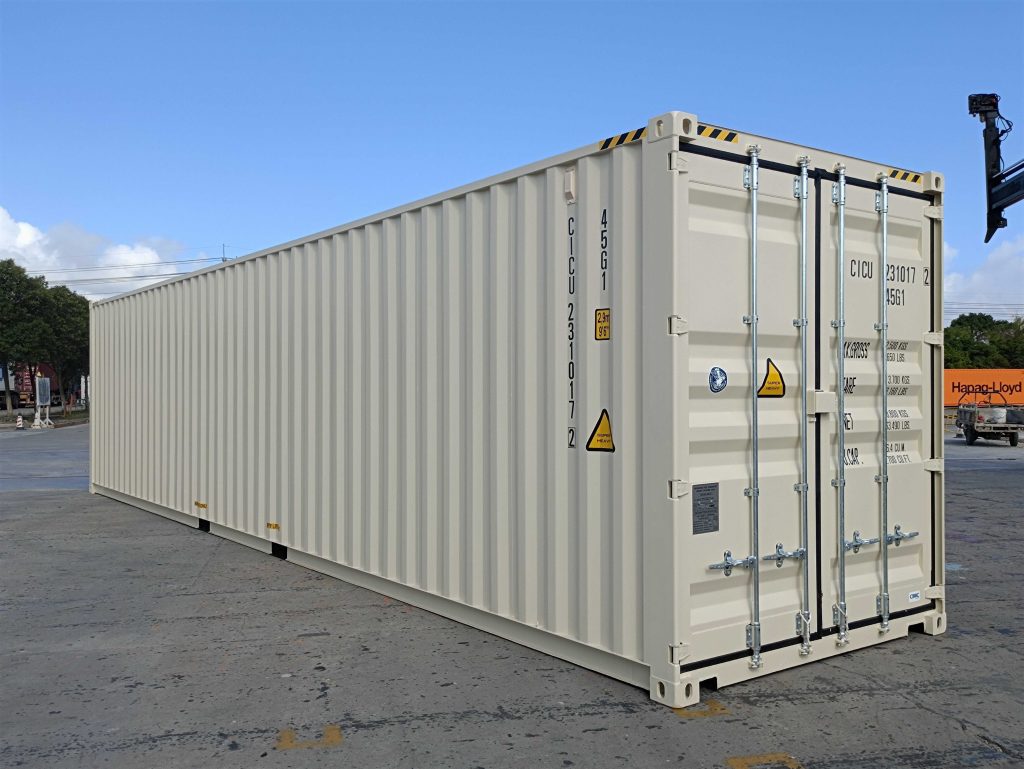
How To Find Out If You're All Set For 20 Ft Container
Understanding the Capacity of a 20 Ft Container: A Comprehensive Guide
Shipping containers have actually ended up being the foundation of international trade, facilitating the motion of products around the world. Amongst the various container sizes, the 20-foot container— often described as a TEU (Twenty-foot Equivalent Unit)— is one of the most frequently used. This post elaborates on the capacity of a 20 ft container, detailing its dimensions, volume, weight limitations, and useful usages. We will also resolve often asked concerns to supply clarity on this important subject.
Dimensions of a 20 Ft Container
The very first step in understanding the capacity of a 20 ft container is to acknowledge its dimensions. Below is a table that sums up the basic dimensions:
Specification
Metric
Imperial
External Length
6.058 m
20 ft
External Width
2.438 m
8 ft
External Height
2.591 m
8.5 ft
Internal Length
5.898 m
19.4 ft
Internal Width
2.352 m
7.7 ft
Internal Height
2.385 m
7.9 ft
Door Width
2.340 m
7.7 ft
Door Height
2.280 m
7.5 ft
Volume and Weight Capacity
A 20 ft container has substantial storage capacity, making it a preferred choice for numerous shipping requirements. The volume and weight constraints of a 20 ft container can be summarized as follows:
Container Type
Volume (Cubic Meters)
Weight Capacity (Gross)
Tare Weight
Net Weight Capacity
Requirement (20 ft)
33.2 m ³ 24,000 kg
2,300 kg
21,700 kg
High Cube (20 ft)
38.0 m ³ 30,000 kg
2,600 kg
27,400 kg
- Volume: A standard 20 ft container holds approximately 33.2 cubic meters of cargo, while a high cube variation supplies about 38 cubic meters.
- Weight Capacity: The maximum gross weight for a basic container is 24,000 kg, with a net weight capacity of about 21,700 kg. The high cube variation can hold up to 30,000 kg gross, enabling a net weight of around 27,400 kg.
Practical Uses of a 20 Ft Container
The adaptability of a 20 ft container allows it to serve numerous functions throughout various industries. A few of the most typical applications include:
- Shipping Goods: This container is widely utilized for global shipping of various items, from machinery to textiles.
- Storage: Many companies use 20 ft containers as storage solutions on job websites, in warehouses, or even for domestic functions.
- Mobile Offices: Modified 20 ft containers function as momentary workplaces or work spaces, especially in remote locations.
- Outdoor camping and Events: With correct adjustments, containers can be transformed into pop-up stores or leisure areas.
- Building: Containers are used as website offices, storage for structure products, and even as part of innovative structure jobs.
Aspects Affecting Capacity
Numerous aspects can influence the effective capacity of a 20 ft container, such as:
- Type of Goods: The nature of the products being shipped can affect how they are loaded. For circumstances, delicate items like glass wares need protective packing, while dense items need to be stacked correctly.
- Filling Techniques: Knowledge of optimum loading techniques can maximize using space while maintaining weight limits.
- Container Condition: The state of the container plays an important role; older or damaged containers may not appropriate for particular kinds of cargo.
- Legal Regulations: Compliance with regional and worldwide shipping policies can limit the type and quantity of cargo that can be packed.
Often Asked Questions (FAQ)
Q1: How many pallets can fit in a 20 ft container?
A: Typically, a 20 ft container can accommodate around 10 standard European pallets (120 cm × 80 cm) or about 8 basic American pallets (48 in × 40 in), depending on the stacking height and plan.
Q2: What products are restricted from being shipped in a 20 ft container?
A: Commonly forbidden products consist of hazardous products, flammable substances, perishable items without appropriate refrigeration, and prohibited products.
Q3: Can a 20 ft container be shipped by air?
A: Generally, shipping by air is not feasible for containers. Instead, goods must be filled into an air cargo unit.
Q4: What is the difference between a standard and a high cube 20 ft container?
A: The primary distinction is height. Shipping Container 20ft are about one foot taller than standard containers, using additional volume for cargo however preserving the very same length and width.
A 20 ft container acts as an essential component in the logistics and shipping market, supplying a practical and versatile choice for transporting items globally. Comprehending its dimensions, weight capacity, and prospective applications can assist organizations make notified decisions about their shipping and storage needs.
By taking into account the numerous factors that impact capacity and sticking to regulations, shipping with a 20 ft container can be a smooth and effective process. Whether for worldwide trade or local storage options, this container stays a steadfast choice in the ever-evolving landscape of international commerce.